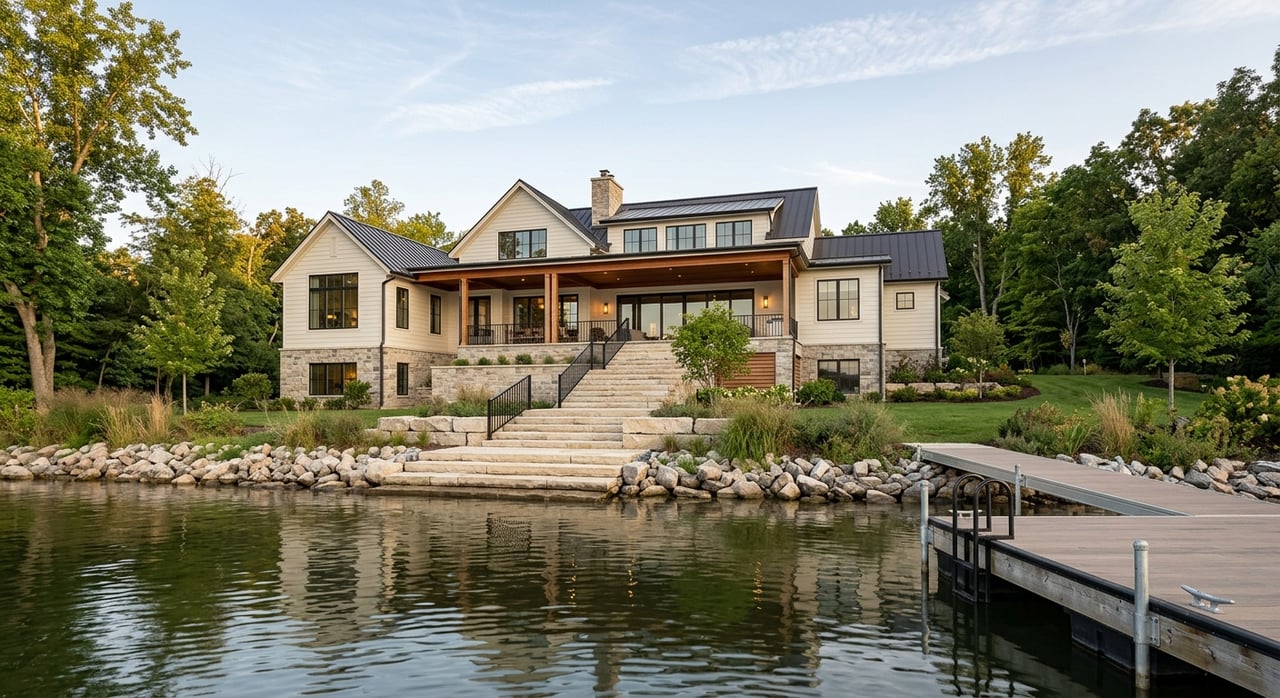
If you are dreaming about a home on Norris Lake, the view is only the beginning. Buying lake property here can feel exciting, but it also comes with questions that matter more than they might on a typical home purchase. From TVA shoreline rules to seasonal water changes, understanding how a property actually functions can help you buy with more confidence. Let’s dive in.
Why Norris Lake buying is different
Norris Lake is not a small, uniform body of water. According to TVA’s Norris Reservoir overview, the lake stretches 73 miles up the Clinch River and 56 miles up the Powell River, with 809 miles of shoreline and 33,840 acres of surface water. That size and shape create very different property experiences from one cove or shoreline section to another.
For you as a buyer, that means two homes with similar prices may offer very different day-to-day use. One may sit on a protected cove with calmer water, while another may face a more open channel with greater wind and boat wake exposure. On Norris Lake, lifestyle fit matters just as much as square footage.
Start with true waterfront access
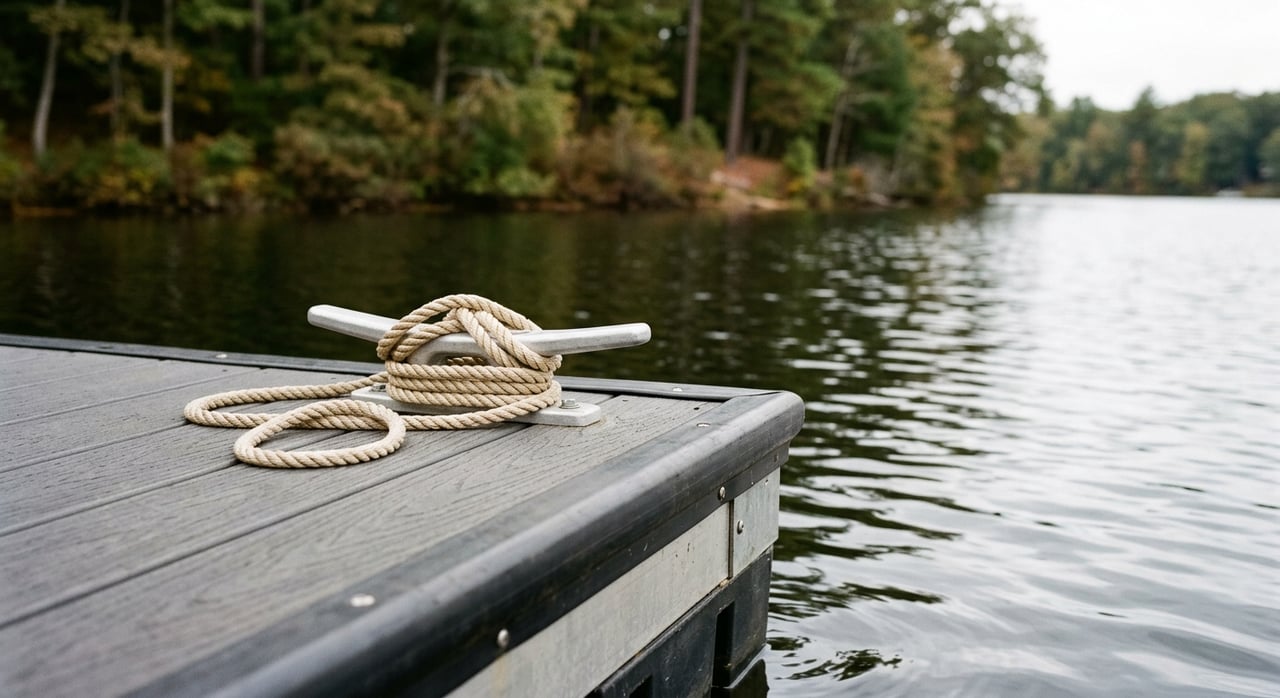
One of the first things to confirm is whether a property is truly waterfront in a practical sense. On Norris Lake, TVA owns land or land rights along much of the shoreline, so being near the water is not always the same as having direct, usable lake access. That distinction can affect docks, shoreline improvements, and how you use the property.
TVA advises buyers to confirm whether any TVA land or shoreline rights sit between the home and the lake before closing. Its waterfront property guidance also recommends reviewing the Section 26a permit history and verifying that anything built along the shoreline matches what was approved. This is one of the most important steps in a Norris Lake purchase.
Questions to ask about waterfront status
- Is the lot true waterfront, or does TVA control land between the house and the shoreline?
- Is the shoreline dock-eligible?
- Is there an existing Section 26a permit?
- Do the dock, seawall, ramp, utilities, or other shoreline features match the permit?
- Are there subdivision or HOA rules that add restrictions beyond TVA requirements?
Check dock permits early
If a dock is part of your lake-home vision, permit history deserves close attention. TVA says Section 26a permits do not automatically transfer at closing, and the new owner must apply within 60 days. TVA also notes that shoreline permit review can take up to 120 days, which means waiting until the last minute can create delays or unwanted surprises.
This is especially important if you are buying a property with an existing dock, planning updates, or hoping to add shoreline improvements after closing. Even small changes along the shoreline require TVA approval. A home can look perfect online, but if the dock setup is unclear or not compliant, the property may not meet your goals.
Why permit details matter
According to TVA’s shoreline permit FAQs, residential water-use facilities in new developments are generally limited to 1,000 square feet or less, along with an access corridor. TVA also states that covered second stories on docks are not allowed if they are enclosed or roofed. Those rules can shape what you can keep, change, or build later.
Understand seasonal water levels
A Norris Lake home can feel very different in July than it does in winter. TVA says the reservoir typically varies by about 29 feet from summer to winter in a normal rainfall year. TWRA notes that annual fluctuations can exceed 45 feet in some years.
That level change affects more than the view. It can change dock usability, how much shoreline is exposed, the appearance of your lot, and how easy it is to launch or board a boat from your property. If you only see a home during peak summer water levels, you may miss how the site functions during lower-water months.
What to evaluate at different water levels
- How much usable frontage remains during lower-water periods
- Whether the dock still works well as water levels drop
- How the shoreline looks and feels at summer pool and winter pool
- Whether access from the house to the water is easy or steep
- How exposed the property becomes when water recedes
TVA’s Lake Info tools can also help you check current and predicted lake elevations before a showing or trip to the area.
Compare coves, channels, and exposure
Because Norris Lake has long river arms, bends, and protected coves, location on the water matters in a very practical way. A property in a protected cove may offer calmer conditions and a different sense of privacy than a property along a more open stretch of the lake. Wind exposure, wave action, and wake can all shape your experience.
If boating, swimming, or easy dock access are high priorities for you, ask how the property feels during busy weekends and changing seasons. A beautiful view is important, but so is how the shoreline performs for your lifestyle.
Learn Norris Lake boating rules
If you plan to keep a boat on Norris Lake, it helps to know that the reservoir is on TVA’s list of no-discharge lakes. According to TVA’s marine sanitation guidance, boats with installed heads must follow marine sanitation device rules, and marinas and docks operating on public water must provide sewage removal service.
For you, that means pumpout access and sanitation setup are worth checking before you buy. If you are considering a marina-oriented property, a home with a slip, or a dock-focused purchase, this becomes part of your practical planning.
Boating questions to ask
- Where is the nearest marina?
- Is pumpout access convenient for your boating habits?
- What are the marina’s seasonal hours?
- Does your current or planned boat setup fit Norris Lake’s no-discharge rules?
Think about how you will use the home
Not every Norris Lake property serves the same kind of buyer. Some homes are ideal for full-time living, while others make more sense as weekend retreats or second homes. Some buyers want private dock access, while others are comfortable using a marina or public launch.
That is why it helps to think in terms of property type, not just price point. On Norris, practical categories often include:
- true waterfront homes with dockable shoreline and clear permit history
- waterfront lots where TVA land or rights may limit access or improvements
- marina-oriented or slip-oriented properties
- off-water homes purchased for lake access, retirement, or weekend use
This kind of comparison can help you focus on what actually fits your plans. A less expensive property may require compromises on dock rights or shoreline use, while a higher-priced home may offer more direct water functionality.
Look at recreation and access
Norris Lake attracts buyers because of its recreation options as much as its views. Norris Dam State Park offers boating, skiing, fishing, a marina, a public boat ramp, cabins, and campgrounds. The park includes 4,038 acres in Anderson and Campbell counties, which adds to the strong outdoor identity of the area.
Fishing is also a major draw. TWRA describes Norris as a strong fishing reservoir, especially for smallmouth bass, with notable fishing from November through April and annual stocking for species such as walleye and crappie. If outdoor recreation is part of why you are buying, nearby public access and activity options are worth factoring into your decision.
Use a Norris-specific comparison process
When you compare homes on Norris Lake, it helps to use criteria that match the way this reservoir is managed. Listing photos and basic specs only tell part of the story. The better approach is to compare how each property works in real life.
Key factors to compare
| Factor | Why it matters on Norris Lake |
|---|---|
| Dock rights | Waterfront value can change quickly if a dock is not allowed or not properly permitted |
| Permit history | Existing shoreline features should match TVA approvals |
| Seasonal drawdown | Water levels can change usability and appearance through the year |
| Marina access | Important for slip users, boat storage needs, and pumpout planning |
| Shoreline exposure | Cove versus open-water placement affects wake, wind, and privacy |
| Access and services | Travel time, convenience, and everyday use matter for both primary and second homes |
This kind of side-by-side review can help you avoid buying based on emotion alone. It also helps you choose a property that fits the lake life you actually want.
A smart buyer checklist
Before you move forward on a Norris Lake home, keep this checklist handy:
- Confirm whether the property is true waterfront
- Ask if TVA land or a TVA right-of-way affects access
- Request the Section 26a permit and compare it to what is on site
- Verify what transfers at closing and what requires new approval
- Evaluate the shoreline during both higher and lower water periods
- Check whether the property sits in a protected cove or more open water area
- Ask about nearby marina and pumpout options
- Make sure your boating plans fit no-discharge requirements
- Review any subdivision or HOA rules tied to docks, slips, or shoreline use
- Consider whether the home is best for year-round living, weekends, or retirement use
Buying a lake home on Norris Lake can be incredibly rewarding when you go in with clear information and the right local guidance. If you want help evaluating waterfront access, permit questions, or which type of Norris property best fits your goals, connect with Natalie Gascay for thoughtful, local insight tailored to your next move.
FAQs
What should you verify before buying a waterfront home on Norris Lake?
- You should verify whether the property is true waterfront, whether TVA controls any land between the home and the lake, and whether the Section 26a permit matches all existing shoreline improvements.
Why do Norris Lake water levels matter when buying a home?
- Norris Lake water levels can change significantly between seasons, which may affect dock usability, shoreline appearance, water access, and how the property functions during different times of year.
Do dock permits transfer automatically with a Norris Lake home sale?
- No. TVA says Section 26a permits do not automatically transfer at closing, and the new owner must apply within 60 days.
What boating rule should buyers know about Norris Lake?
- Buyers should know that Norris Lake is a no-discharge lake, so boats with installed heads must follow marine sanitation device rules and pumpout access may be an important factor.
How can you compare homes on Norris Lake more effectively?
- You can compare homes more effectively by looking beyond price and square footage to review dock rights, permit history, shoreline exposure, seasonal drawdown, marina access, and overall lifestyle fit.